Emergency Roof Tarping in Pasadena, TX
When your roof has an opening — from storm damage, a fallen tree, blown-off shingles, or any cause — every hour of exposure means more water damage to your home's interior. Emergency roof tarping provides immediate temporary protection while permanent repairs are planned. We respond same-day throughout Pasadena and Southeast Houston.
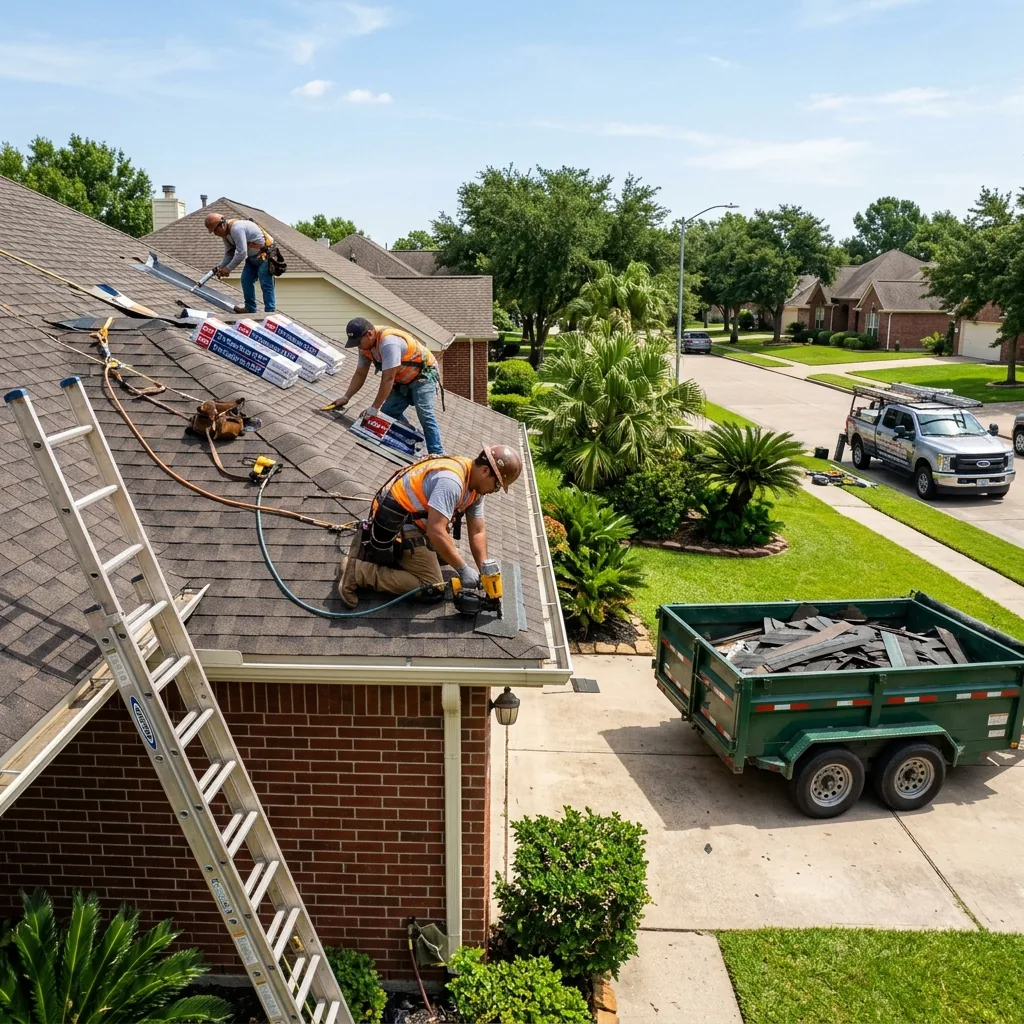
Situations That Require Immediate Roof Covering
Tarping is the critical first step when your roof has an active opening. It stops water entry and prevents secondary damage while permanent repair is assessed and scheduled.
After Storm Damage
Severe thunderstorms, hail events, and tropical systems can strip shingles, displace flashing, and create openings across the roof surface. Tarping the exposed area immediately prevents rainwater from entering the attic, insulation, and living space below. For permanent storm repair, see Storm Damage Repair.
Fallen Trees & Branch Punctures
A tree limb through the roof creates an immediate breach that requires covering before the next rainfall. After the tree is removed, the puncture, splintered decking, and surrounding damaged area need temporary protection until structural assessment and permanent repair can be completed. For full emergency stabilization, see Emergency Roof Repair.
Large Areas of Missing Shingles
When wind or deterioration has removed shingles from a significant portion of the roof, the exposed underlayment or decking needs immediate covering. In Pasadena, where rain can arrive with little warning, even a few hours of exposure can saturate roof deck plywood and begin the process of rot and mold formation. For shingle-specific repair, see Shingle Roof Repair.
Active Roof Leaks
When a roof is actively leaking and permanent repair can't be performed immediately — due to weather conditions, material availability, or scope assessment — tarping the identified area stops water entry and buys time for proper diagnosis and repair planning. For leak source diagnosis, see Roof Leak Repair.
Hurricane & Tropical Storm Protection
After a hurricane or tropical storm passes through Southeast Texas, thousands of roofs may need attention simultaneously. Contractor availability for permanent repair can stretch into weeks or months. Tarping secures the roof during this wait period, preventing the compounding water damage that makes the eventual repair far more expensive. See our breakdown of Hurricane Beryl's roof damage impact on Pasadena for a look at how wind uplift creates hidden openings that need tarping fast.
Exposed Decking & Underlayment
When the protective layers of roofing material have been removed — exposing the roof deck or underlayment to direct weather — tarping prevents moisture penetration into the wood structure. Saturated decking weakens rapidly, turning a surface repair into a structural one. For wind-specific damage, see Wind Damage Repair.
How Professional Roof Tarping Works
Professional tarping is more than laying plastic over a hole. Proper installation secures the covering against wind, prevents water pooling, and avoids creating additional damage to the roof surface.
Damage Assessment & Documentation
Before covering anything, we photograph and document the exposed damage from multiple angles. This documentation is critical for insurance claims — it proves the extent of damage before the tarp was applied and demonstrates that you took immediate mitigation steps.
Debris Clearing & Surface Preparation
We remove loose debris, broken shingle fragments, displaced flashing, and any material that could puncture the tarp from beneath. A clean surface ensures the tarp lies flat and maintains its waterproof integrity.
Heavy-Duty Tarp Installation
We use UV-resistant, heavy-duty polyethylene tarps sized to extend at least 3 feet beyond the damage on all sides. The tarp is stretched taut to prevent pooling and secured to anchor boards rather than nailed directly into undamaged roof areas — minimizing additional penetrations.
Edge Sealing & Wind Securing
All edges are sealed and fastened to resist wind uplift. In Pasadena, where thunderstorm gusts regularly exceed 50 MPH, a loosely secured tarp will lift like a parachute and fail. We use weighted edges, board anchoring, and strap reinforcement appropriate to the roof geometry.
Permanent Repair Scheduling
After the tarp is installed, we schedule a full inspection to determine the permanent repair scope and provide a written estimate. The tarp is a bridge — not a destination. We coordinate the transition to permanent repair as quickly as material availability and scheduling allow.
Standard Tarp vs. Professional Shrink Wrap
Two temporary covering methods exist. Understanding the difference helps you choose the right level of protection for your situation.
- Standard polyethylene tarp — draped and secured with boards or fasteners; affordable and fast to install; prone to flapping, pooling, and wind displacement; best for short-term protection when permanent repair is imminent
- Professional shrink wrap — heat-sealed directly to the roof surface; drum-tight fit that contours around penetrations; significantly better wind and water resistance; preferred when repair will be delayed weeks or months
- Texas UV accelerates tarp degradation — Pasadena's intense sun breaks down polyethylene faster than rated; a tarp rated for 90 days may fail in 60 under direct Gulf Coast summer exposure
- Insurance adjusters often prefer shrink wrap — it provides more reliable protection against secondary damage and mold growth during the claim processing period
What Happens When an Exposed Roof Goes Unprotected
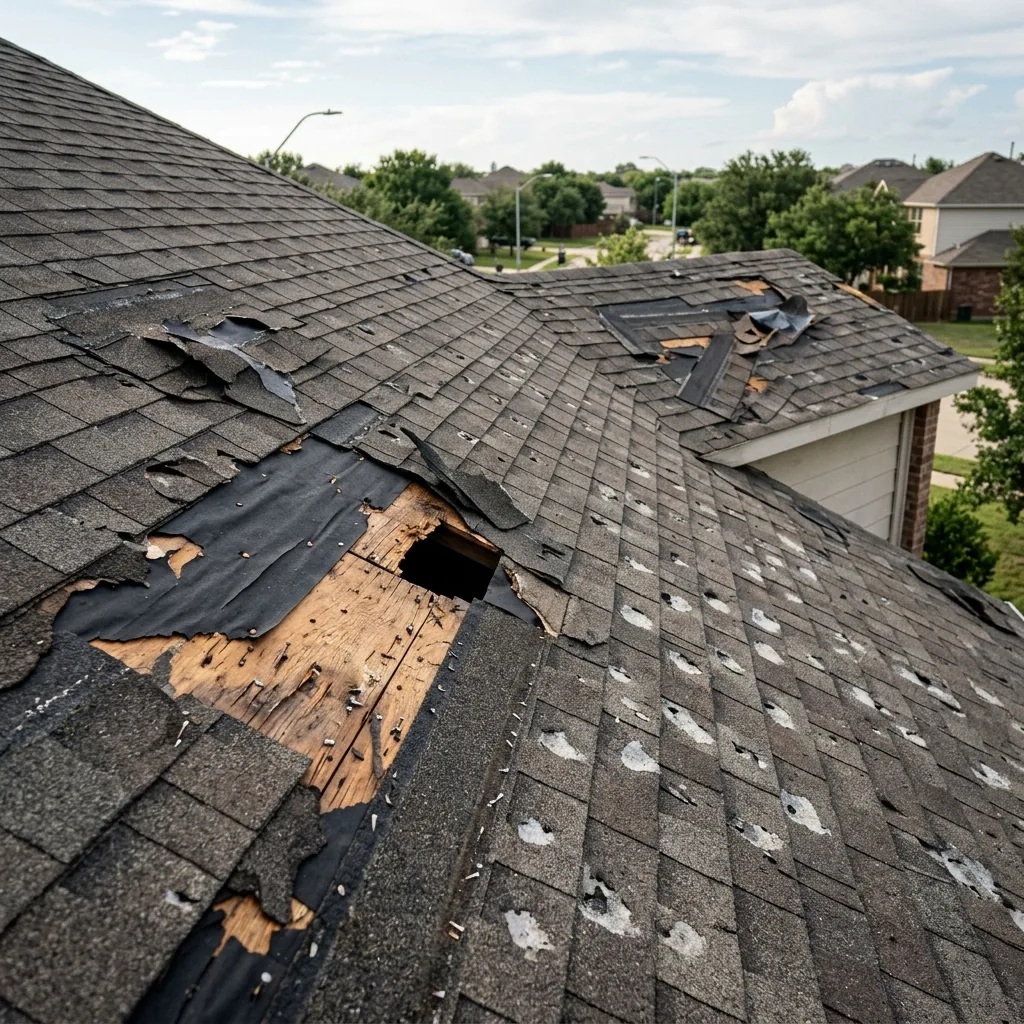
Every hour an exposed roof remains uncovered, damage escalates. In Pasadena's climate — where rain can arrive within hours of a storm clearing — the progression is predictable and costly. If water is already coming in, follow our first steps for a roof leaking after a storm while you wait for tarping crews to arrive:
Hours 1–24: Rainwater enters through the opening, saturating insulation and beginning to pool on ceiling drywall. Wet insulation loses its thermal properties immediately.
Days 2–7: Plywood roof decking absorbs moisture and begins to swell. Drywall sags and may collapse. Mold colonization begins within 24–48 hours in Pasadena's 70–80% humidity environment.
Weeks 2–4: Wood rot establishes in the deck and rafters. Mold spreads into wall cavities. Electrical wiring in the attic may be compromised by standing water. What started as a surface repair now involves structural wood replacement, mold remediation, and interior reconstruction.
A tarp installed the same day as the damage stops this chain at hour one. The cost of tarping is a fraction of the secondary damage it prevents.
Tarping vs. Emergency Repair — Understanding the Difference
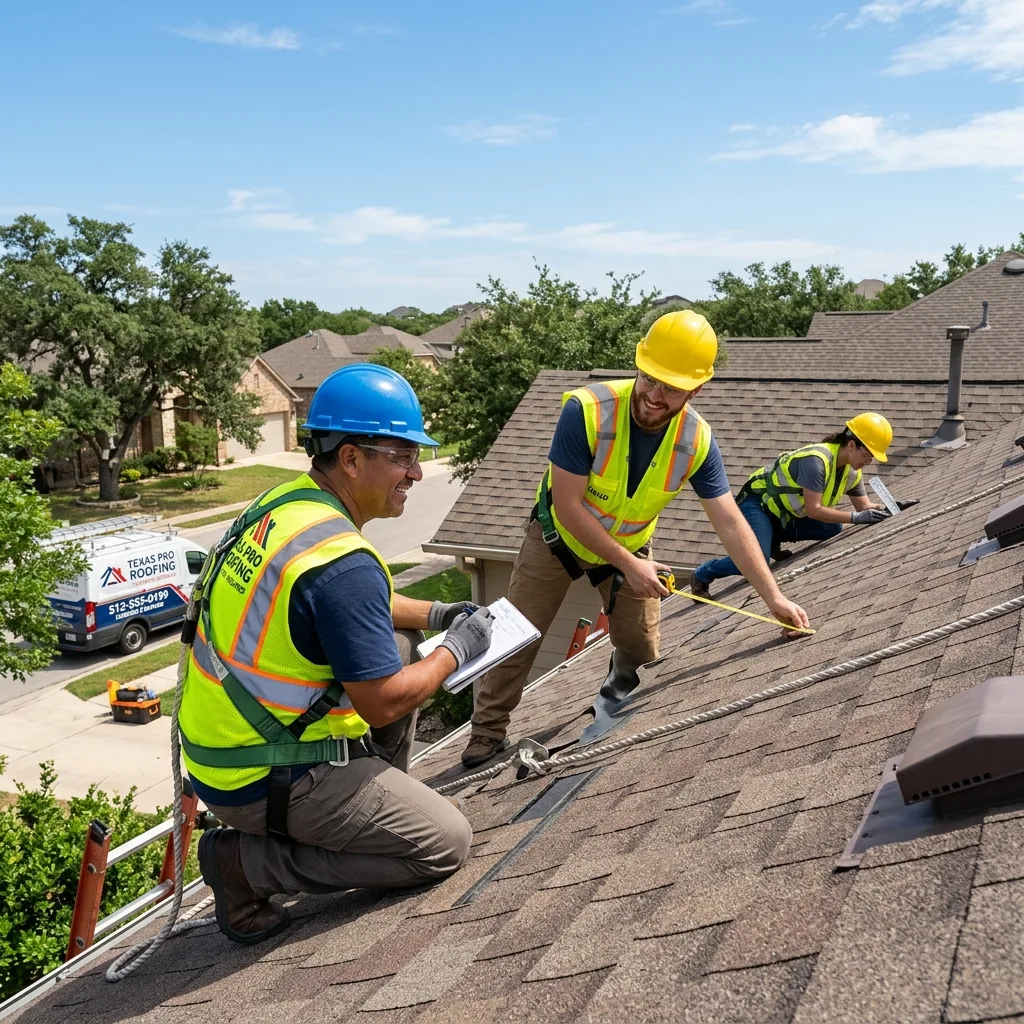
Tarping is a temporary covering measure. It seals the opening to prevent water entry but does not replace damaged materials. The damaged area remains beneath the tarp, unchanged, until permanent repair begins.
Emergency repair is stabilization work — replacing critical damaged components, securing structural elements, and restoring the roof to a weather-resistant condition. It goes beyond covering the opening; it begins restoring the roof itself.
In practice, tarping is the right first step when: the full scope of damage hasn't been assessed, permanent repair materials aren't yet available, weather conditions prevent safe repair work, or insurance inspection is still pending.
Emergency repair is the right step when: the damage involves structural compromise, the opening is too large or complex for a standard tarp, or the property is actively unsafe. See our Emergency Roof Repair service for full stabilization.
Tarping Documentation for Insurance Claims
Emergency tarping is recognized as a "duty to mitigate" by virtually all homeowner insurance policies. Proper documentation strengthens your claim and demonstrates responsible action.
Emergency Roof Tarping FAQ
A standard heavy-duty polyethylene tarp lasts 30–90 days. In Pasadena's intense sun, tarps degrade faster than rated. Professional shrink wrap can last 6–12 months. Regardless of material, tarping is temporary — permanent repair should be scheduled promptly.
We strongly advise against it. Damaged roofs have wet surfaces, unstable decking, loose debris, and potential electrical hazards. Improper tarping can also cause additional damage — tarps not properly secured will lift in wind and create new water entry points.
Standard tarps are draped and secured with boards; they last 30–90 days and are prone to flapping. Shrink wrap is heat-sealed to the roof for a drum-tight fit that resists 85+ MPH winds and lasts 6–12 months. Shrink wrap is preferred when repair will be delayed.
Most policies cover reasonable mitigation measures after a covered loss. Emergency tarping is a standard mitigation step. Document damage with photos before tarping, keep receipts, and report the claim promptly.
Tarping is right when the opening needs immediate rain protection but full damage scope hasn't been assessed or materials aren't available. Emergency repair is needed when damage involves structural compromise or active collapse risk. See our Emergency Roof Repair for those situations, or read our guide on when storm damage needs emergency roof tarping for specific damage thresholds.
We respond same-day throughout Pasadena and surrounding areas. A typical residential tarping job takes 1–3 hours once on site, depending on damage area size, roof accessibility, and conditions.
We provide photo documentation of the damage and covering, then schedule a full inspection to determine permanent repair scope and provide a written estimate. Our documentation supports the insurance claim process.
Professional tarping minimizes additional damage. We secure tarps to anchor boards rather than nailing directly into undamaged roof areas. Improper DIY tarping, however, can create new holes, damage flashing, and cause the tarp to abrade the roof surface.
Roof Has an Opening? Get It Covered Now
Don't wait for the next rain. Every hour of exposure increases interior damage, mold risk, and repair costs. Call now for same-day emergency roof tarping in Pasadena and Southeast Houston.