Shingle Roof Repair in Pasadena, TX
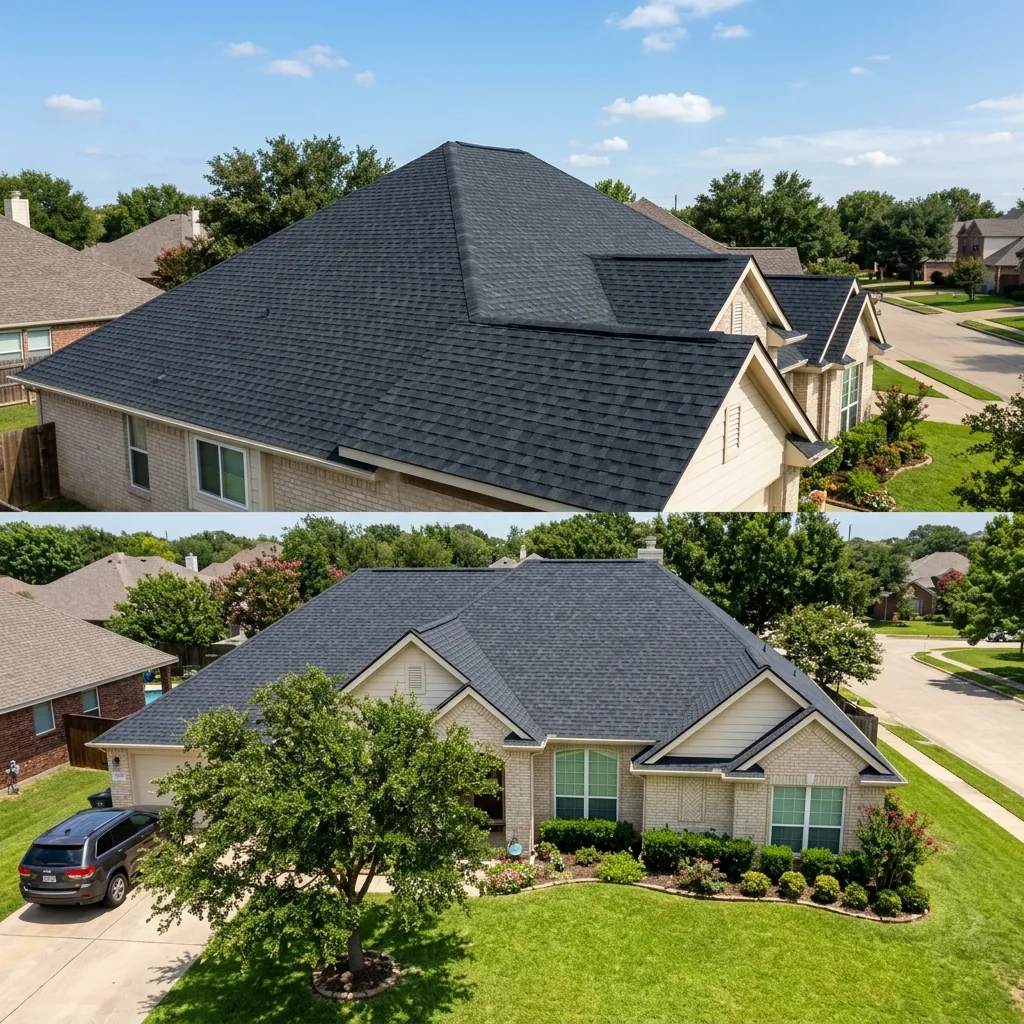
Asphalt shingles cover the vast majority of residential roofs in Pasadena. Over time — through UV exposure, thermal cycling, rain, and normal wear — individual shingles crack, curl, loosen, or go missing entirely. We repair every type of asphalt shingle defect: spot replacements, ridge cap restoration, cracked and torn shingle repair, and full-section restoration.
Types of Shingle Damage We Repair
Every shingle defect has a specific cause and a specific repair. Understanding what's happening to your shingles helps determine whether a spot fix, section repair, or broader assessment is needed.
Missing Shingles
When shingles are absent from the roof surface — whether from gradual adhesive failure, age-related deterioration, or a past weather event — the underlayment is directly exposed. In Pasadena's 57-inch annual rainfall, exposed underlayment degrades quickly, creating a path for water to reach the deck and interior. If a recent storm left shingles missing, see our guide on whether storm-related missing shingles call for repair or full replacement.
- Bare patches visible on the roof
- Shingle fragments found in yard
- Exposed felt or synthetic underlayment
Blown-Off & Detached Shingles
Shingles that have completely separated from the roof, often with nail holes left behind. Whether the cause was wind, failed adhesive, or improper fastening, the exposed area needs prompt replacement to prevent water entry and further material loss in adjacent shingles. If wind was the primary cause, see Wind Damage Repair.
- Large bare area with exposed nail holes
- Torn material where shingle separated
- Adjacent shingles beginning to lift
Lifted & Loose Shingles
When the adhesive strip beneath a shingle fails, the shingle lifts or loosens while remaining partially fastened. These shingles flex in the wind, allow water beneath them during rain, and are one weather event away from blowing off entirely. Resealing is possible if the shingle material is still intact and pliable. Not sure which condition you're looking at? See our breakdown of missing vs. lifted vs. loose shingles and what each one means for repair urgency.
- Shingle tabs curled upward at edges
- Visible gaps between shingle courses
- Shingles that move when touched
Cracked, Torn & Broken Shingles
Cracking results from UV degradation and thermal cycling — Pasadena roofs endure 100°F+ summer peaks and daily heat swings that expand and contract asphalt until it loses flexibility. Torn and broken shingles have structural damage — missing sections that cannot be sealed and require replacement.
- Visible cracks running across shingle face
- Torn edges or missing tab sections
- Fragments breaking off when touched
Curling & Aging Shingles
Curling is the clearest sign of advanced aging. In Pasadena, intense UV breaks down asphalt oils that keep shingles pliable, while poor attic ventilation bakes them from below. Cupping (edges up, center flat) and clawing (center bulges, edges flat) are both forms of curling that signal the shingle is past its functional life in the affected area.
- Edges curling upward (cupping)
- Center bulging outward (clawing)
- Widespread granule loss beneath
Ridge Cap Shingle Damage
Ridge caps sit at the highest point of the roof where two slopes meet — the most wind-exposed and UV-exposed location on any roofing system. Missing, cracked, or loose ridge cap shingles leave the ridge vent and the junction between slopes unprotected, creating a direct entry point for water and wind-driven rain.
- Missing caps along the roofline peak
- Cracked or split ridge shingles
- Ridge caps lifting or visibly loose
3-Tab vs. Architectural: What's on Your Roof?
The two most common asphalt shingle types in Pasadena have different lifespans, wind ratings, and repair considerations. Knowing which type you have determines the repair approach and material requirements.
Why Pasadena Shingle Roofs Age Faster Than the National Average
Asphalt shingles in Pasadena face environmental stressors year-round that most regions don't. These factors compound to shorten the functional lifespan of every shingle type.
- UV degradation — intense solar radiation breaks down asphalt oils, causing shingles to lose flexibility, become brittle, and crack
- Thermal cycling — daily heating and cooling expands and contracts shingle material, weakening adhesive bonds and accelerating cracking over years
- High humidity & moisture — 70–80% humidity promotes algae and moss growth that retains moisture against the roof surface, contributing to premature deterioration
- Salt-laden air — Pasadena's proximity to Galveston Bay exposes roofing components to airborne salt, which accelerates corrosion of metal flashings and fasteners
- Granule loss compounds over time — as granules shed, the underlying asphalt is directly exposed to UV, creating a feedback loop of accelerating degradation
What Granule Loss Tells You About Your Shingle Roof
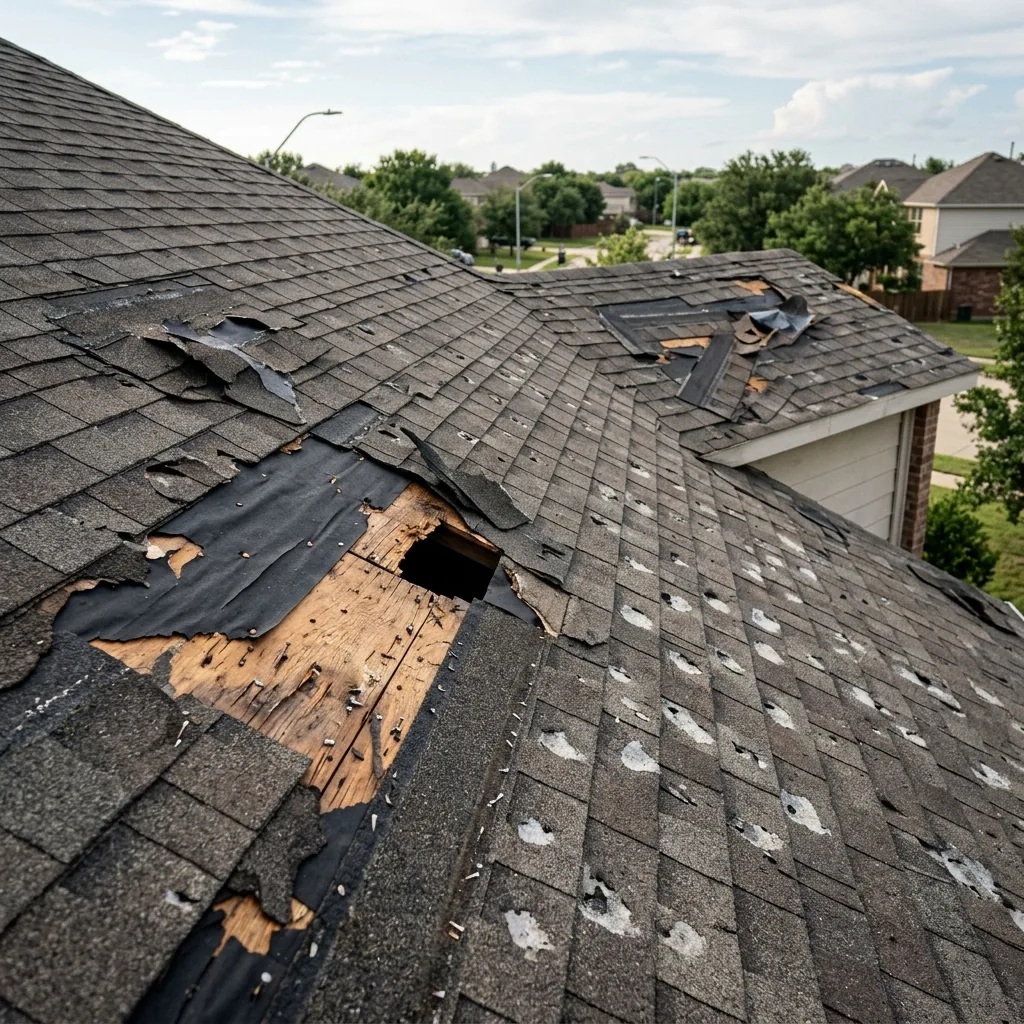
The coarse, sand-like material you find accumulating in your gutters and downspouts is ceramic-coated granules from your asphalt shingles. These granules are the shingle's primary UV shield — they protect the asphalt binder from direct sun exposure.
Some granule shedding is normal during the first year after a new roof installation. But significant accumulation from an older roof tells a different story: the shingles are losing their protective layer. Once granules are gone, the exposed asphalt beneath absorbs UV directly, accelerating deterioration in a feedback loop — the more granules lost, the faster the remaining ones follow.
In Pasadena's climate, where roofs receive intense UV for most of the year, granule loss is one of the earliest and most reliable indicators that shingles are entering the later stage of their functional life. It's not always an emergency — but it does mean the roof is more vulnerable to cracking, water absorption, and wind damage than when the granule layer was intact.
If you're seeing significant granule accumulation in your gutters, a professional assessment can determine whether localized repair or broader planning is the right next step. For a closer look at what that debris is telling you, see what granules in your gutters mean after a storm.
When to Repair Shingles vs. When to Consider Replacement
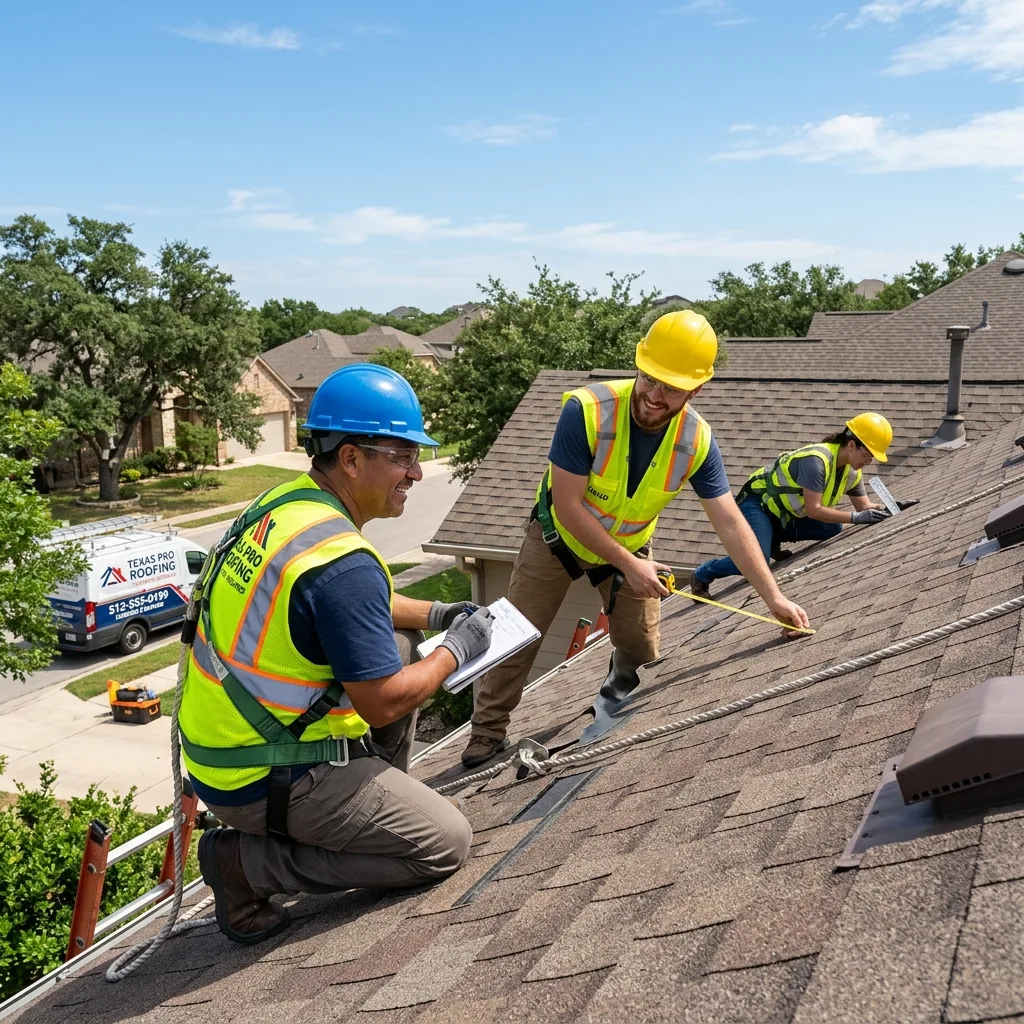
Repair makes sense when: the damage is localized to a specific area, the surrounding shingles are still functional with years of service life remaining, and the defect is a specific issue (missing shingles, cracked tabs, loose ridge caps) rather than a systemic condition.
Replacement enters the conversation when: curling, cracking, or granule loss is widespread across multiple slopes; the roof has passed 80% of its expected lifespan and is experiencing recurring issues; or the cost of patching multiple areas approaches the cost of a systematic replacement.
We don't recommend replacement when repair is sufficient, and we don't patch a roof that needs replacing. After inspection, we present both options with clear cost and longevity comparisons so you can make the decision that fits your property and budget. Aging shingles can sometimes indicate that full replacement is the more economical choice — we'll explain when and why, without pressure.
How We Approach Shingle Roof Repair
Shingle repair that lasts starts with understanding why the shingle failed. Our process identifies the cause, determines the correct fix, and ensures the repair integrates with the existing roof system.
Identify What Failed and Why
We inspect the damaged area and determine the cause: was it age-related wear, adhesive failure, UV degradation, impact damage, or improper installation? The cause determines whether a simple spot fix will hold or whether a broader area needs attention.
Assess Surrounding Shingle Condition
A single damaged shingle often signals a broader condition in the surrounding area. We check adjacent shingles for the same type of failure — loose adhesive, granule loss, micro-cracking, or early curl. This prevents the repair from being immediately surrounded by new failures.
Match Materials Precisely
We match the replacement shingles to your existing roof — manufacturer, product line, profile, and color. For architectural shingles, this includes matching the dimensional pattern. If the exact product is discontinued, we select the closest available match and discuss it with you before installation.
Install with Manufacturer-Spec Fastening
Replacement shingles are installed following manufacturer specifications for nail placement, nail count, and adhesive activation. On Gulf Coast roofs, this typically means six-nail fastening patterns rather than four-nail minimum, which provides significantly better wind resistance.
Document and Advise
You receive photos of the completed repair plus an honest assessment of the overall roof condition. If we found early-stage issues in surrounding areas, we'll let you know what to watch for and when to schedule follow-up inspection.
Shingle Roof Repair FAQ
3-tab shingles typically last 15–20 years; architectural shingles 25–30 years. Pasadena's intense UV, extreme heat, high humidity, and storm frequency shorten lifespan compared to milder climates. Proper attic ventilation is the single most effective factor in extending shingle life.
If damage is localized and surrounding shingles are serviceable, spot replacement is appropriate. We match existing shingle profile, size, and color. Full replacement is only recommended when damage is widespread or the roof has reached end-of-life. For more detail, see our repair-first guide on replacing just a few missing shingles.
Primarily UV degradation and heat. Intense sun breaks down asphalt oils that keep shingles flexible. Poor attic ventilation traps heat beneath the deck, baking shingles from both sides. Moisture trapped between layers causes cupping (edges up) or clawing (center bulges).
Limited, localized damage usually means repair. Widespread curling, granule loss across multiple slopes, or a roof past 80% of its expected lifespan with recurring issues typically indicates replacement is the better investment.
Ceramic-coated granules from your asphalt shingles — they're the primary UV shield. Some shedding is normal in year one. Significant accumulation from an older roof signals the shingles are losing protection and becoming vulnerable to accelerated UV degradation.
Minor cracks can sometimes be sealed if the shingle is otherwise intact. Torn or broken shingles with missing sections need replacement — patches on structurally compromised shingles rarely last.
Ridge caps are specialized shingles along the roof peak. They're the most wind- and UV-exposed shingles on any roof. When they're missing, loose, or damaged, the ridge becomes a direct entry point for water and wind-driven rain.
We match manufacturer, product line, color, and profile as closely as possible. For discontinued lines, we select the closest available option. Slight color variation between old and new is normal due to UV weathering of existing material.
Damaged Shingles? Get a Free Assessment
Whether you've spotted missing shingles, noticed curling along the edges, or found granules accumulating in your gutters — schedule a free shingle inspection. We'll assess the damage, determine whether repair or broader planning is needed, and give you a clear, written estimate.