Flat Roof Repair in Pasadena, TX
Flat and low-slope roofs protect a significant portion of Pasadena's commercial buildings and many residential properties. These roofing systems face unique challenges — ponding water, membrane deterioration, seam failures, and drainage problems that pitched roofs don't encounter. We repair all flat roof systems: modified bitumen, built-up roofing, EPDM rubber, and single-ply membranes.
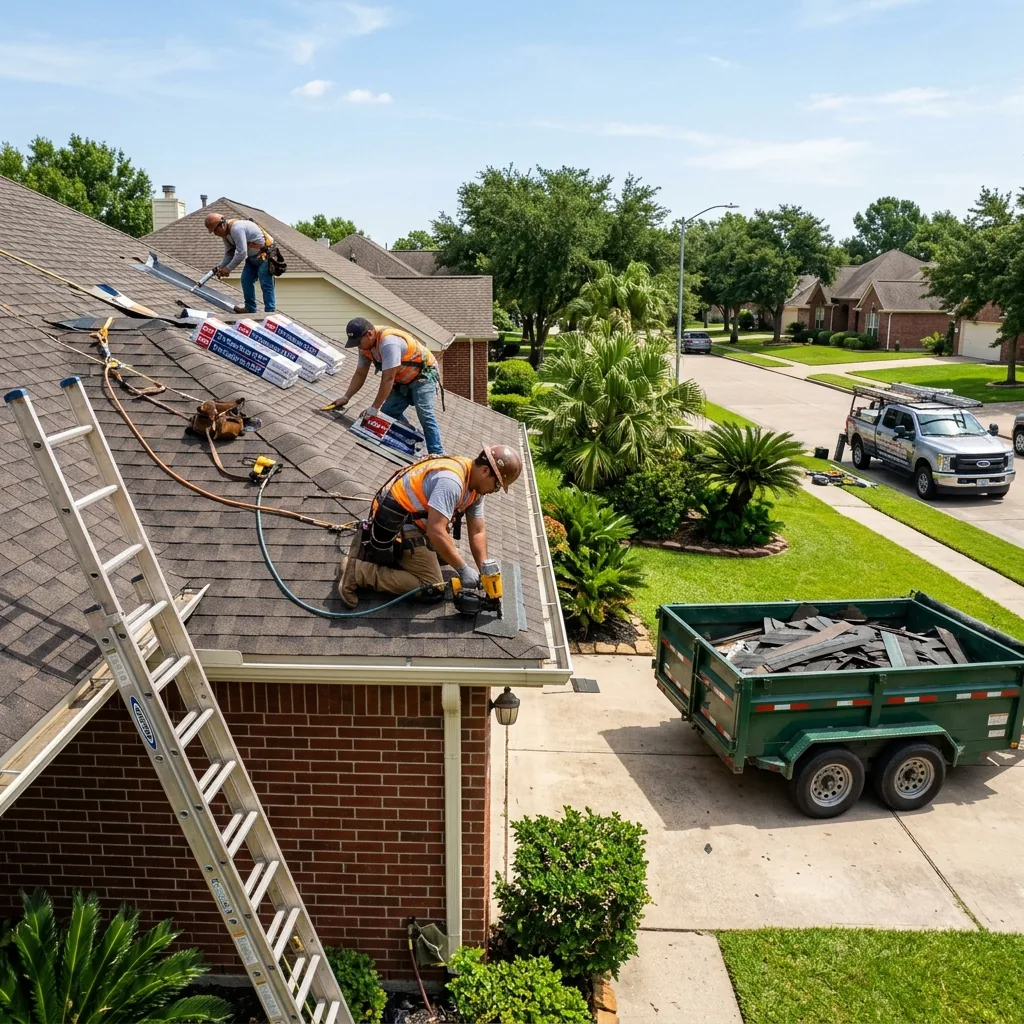
Common Flat Roof Problems We Diagnose & Repair
Flat roofs fail differently than pitched roofs. Water doesn't shed naturally — it must be directed by drainage systems and contained by membrane integrity. These are the most frequent issues we encounter on Pasadena flat roofs.
Flat Roof Leaks
Leaks on flat roofs behave differently than on pitched roofs — water may travel laterally across the membrane or pool above a compromised area before finding its way through. Common entry points include failed seams, deteriorated penetration flashing, and membrane punctures. For general leak diagnosis, see Roof Leak Repair.
Ponding Water
Standing water that remains on a flat roof for 48 hours or more after rainfall — the NRCA industry threshold — is classified as ponding. Each inch of standing water adds roughly 5.2 pounds per square foot of structural load. In Pasadena, where heavy downpours can dump several inches in an hour, ponding accelerates membrane degradation and can void warranties.
Membrane Tears & Punctures
Foot traffic from HVAC technicians, impact from fallen debris, and equipment installed directly on the membrane surface create tears and punctures that allow water beneath the roofing system. Even pinhole punctures can introduce significant moisture over time, saturating insulation boards beneath the membrane.
Open & Failed Seams
Every flat roof membrane consists of overlapping sheets joined at seams. In Pasadena's heat — where roof surface temperatures regularly exceed 150°F in summer — repeated thermal expansion and contraction weakens these bonds. Open seams allow water to travel between membrane layers, often causing damage far from the visible entry point. For TPO-specific seam failure, see TPO Roof Repair.
Flashing & Edge Failures
Where the flat membrane meets parapet walls, penetrations, roof edges, and transitions to other roof planes, flashing creates the watertight seal. Gulf Coast thermal cycling, wind uplift, and UV exposure deteriorate flashing connections over time. Perimeter and parapet flashing failures are among the most common sources of flat roof leaks.
Drainage & Scupper Problems
Flat roofs depend entirely on their drainage system — internal drains, scuppers, and gutters — to move water off the surface. Clogged strainer baskets, debris-blocked scuppers, or undersized drainage create ponding that compounds with each storm. In Pasadena, where wind-blown debris accumulates rapidly, routine drain clearing is the single most effective flat roof maintenance step.
Flat Roof Membrane Types We Repair
Each flat roof system has different repair methods, material requirements, and lifespan characteristics. Identifying your membrane type is the first step in any repair assessment.
The 48-Hour Rule: When Standing Water Becomes a Problem
The National Roofing Contractors Association defines ponding as water remaining on a roof surface 48 hours after the last rainfall. Here's why it matters for Pasadena flat roofs.
- Structural overloading — persistent ponding adds dead load to the roof deck; as the deck deflects under weight, the low spot deepens, trapping more water in a self-reinforcing cycle
- Membrane degradation — standing water acts as a magnifying lens for UV radiation and accelerates chemical breakdown of the membrane surface, particularly on modified bitumen and BUR systems
- Vegetation and biological growth — persistent moisture in Pasadena's warm climate promotes algae, moss, and eventually plant growth in ponding areas, with roots that can penetrate membrane seams
- Warranty implications — most membrane manufacturers explicitly exclude damage caused by ponding water from warranty coverage; documented ponding can void an otherwise valid warranty claim
- Common causes — clogged drains, structural settling, compressed insulation, HVAC units without crickets, and original construction with insufficient slope
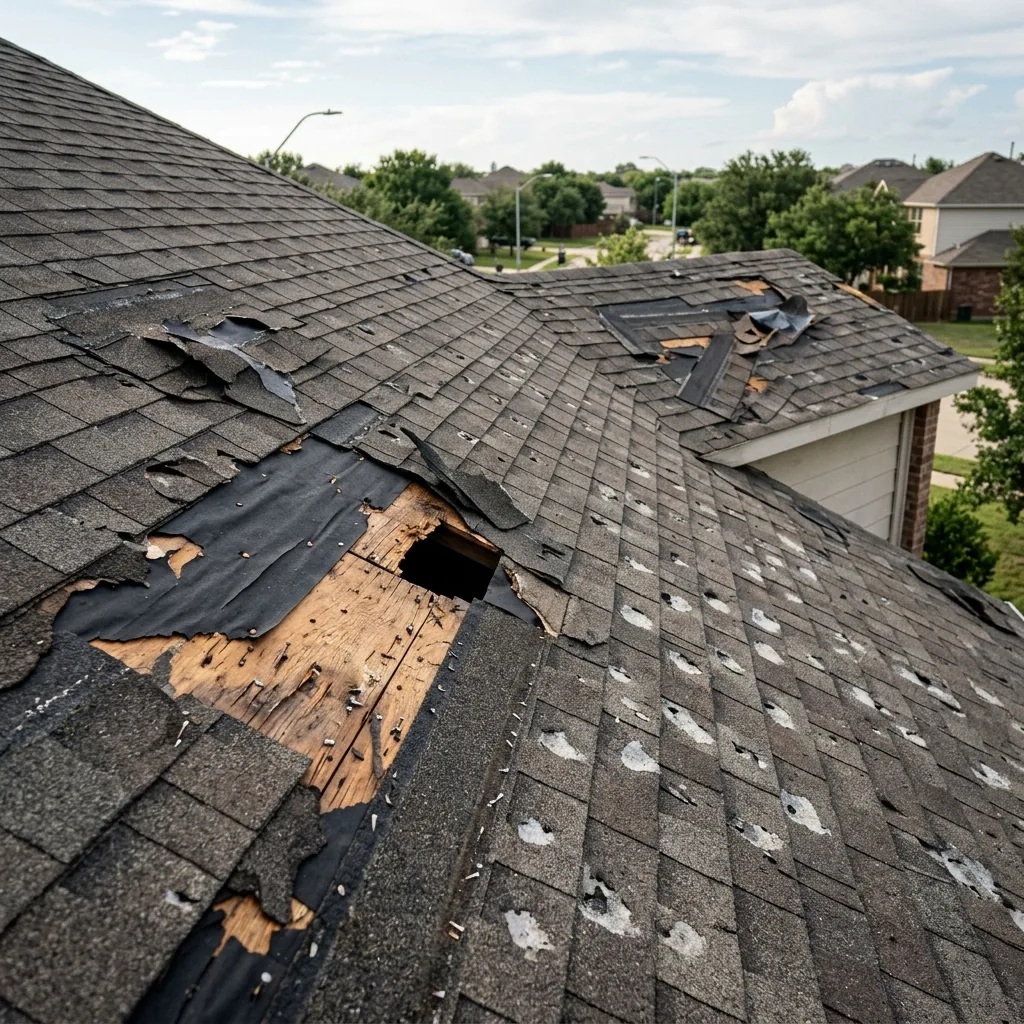
Why Flat Roof Leaks Are Harder to Find Than Pitched Roof Leaks
On a pitched shingle roof, water follows gravity downhill from the entry point, creating a somewhat predictable path from leak to ceiling stain. On a flat roof, water behaves differently.
When water penetrates a flat membrane, it enters the space between the membrane and the insulation board or roof deck beneath. In this space, water moves laterally in every direction — following seams between insulation boards, pooling in slight depressions, and saturating materials far from the original entry point.
The ceiling stain inside the building may be 20 feet from where the water actually entered the membrane. This is why flat roof leak diagnosis requires methodical inspection of seams, penetrations, and flashing across the entire roof surface — not just the area directly above the interior evidence.
In some cases, we use flood testing (controlled water application to isolated sections) to pinpoint the exact entry location when visual inspection alone isn't conclusive — the same zone-by-zone isolation testing and forensic leak-tracing process professional roofers use to find hidden leaks on any roof type.
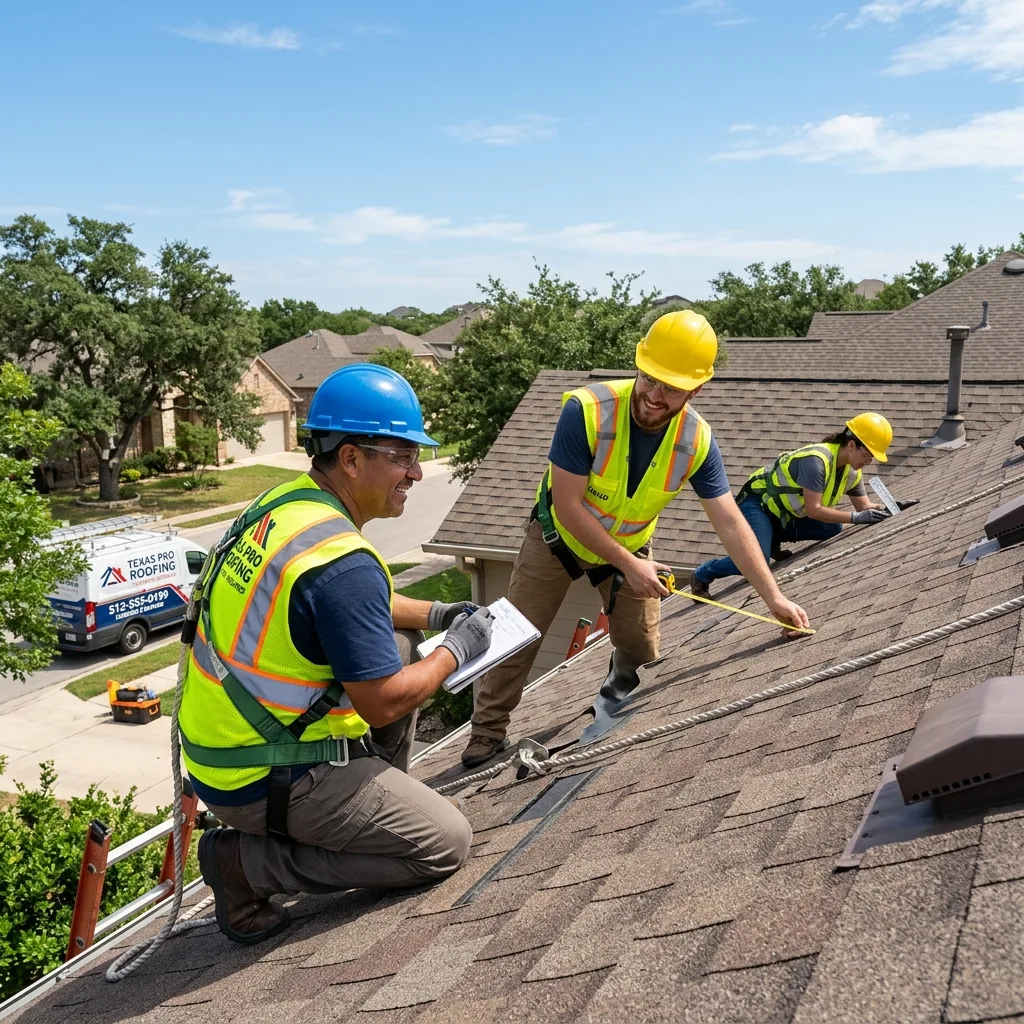
Drains, Scuppers & Overflow: Your Flat Roof's Lifeline
A flat roof with a failed drainage system is a roof that's accumulating structural load with every storm. Unlike pitched roofs where water sheds naturally, flat roofs depend entirely on engineered drainage.
Internal drains collect water through strainer baskets at the roof surface and direct it through pipes inside the building. When strainers clog with debris, water backs up onto the membrane.
Scuppers are openings in the parapet wall that allow water to flow off the roof edge. They serve as both primary drainage and critical overflow protection — if internal drains fail during a heavy storm, functional scuppers prevent catastrophic water accumulation.
Gutters and downspouts on some flat roof configurations direct water from edge drainage to ground level. Clogged or undersized gutters create water backup that damages the roof edge and fascia.
In Pasadena, where thunderstorms can dump several inches in under an hour, we recommend clearing strainers and scupper openings at least twice a year and after every major storm event.
How We Approach Flat Roof Repair
Flat roof repair requires system-specific knowledge. The repair technique that works on modified bitumen won't work on EPDM, and patching a symptom without addressing the cause guarantees recurrence.
Identify the Membrane System
We determine the exact roofing system installed — modified bitumen, BUR, EPDM, TPO, or PVC. This determines every subsequent decision: repair materials, adhesive compatibility, application technique, and whether heat welding is required.
Locate the Actual Entry Point
Using systematic inspection of seams, penetrations, flashing, and membrane surface condition, we identify where water is actually entering the system. If visual inspection is inconclusive, we use sectional flood testing to isolate the breach.
Assess Subsurface Condition
We check the insulation and deck beneath the membrane. Saturated insulation boards have zero thermal value and must be replaced. If the deck itself is compromised, structural repair precedes membrane work.
Execute System-Matched Repair
Repairs use materials and methods matched to the existing membrane: torch-welded or cold-adhesive patches for modified bitumen, compatible rubber adhesive for EPDM, heat-welded sections for TPO. Surface preparation and primer application follow manufacturer specifications.
Address Contributing Factors
If the failure was caused by a drainage issue, ponding, or traffic damage, we address the contributing factor — not just the symptom. This may include clearing drains, recommending walk pads, or advising on drainage improvements to prevent recurrence.
Flat Roof Repair FAQ
Ponding is standing water remaining 48+ hours after rainfall — the NRCA industry standard. Each inch adds ~5.2 lbs/sq ft of structural load, accelerates membrane degradation, and can void manufacturer warranties.
We repair modified bitumen, built-up roofing (BUR), EPDM rubber, TPO, and PVC. Each uses different repair techniques — torch-welded patches for mod-bit, compatible adhesives for EPDM, heat-welded repairs for TPO/PVC.
EPDM: 22–40+ years. Modified bitumen and BUR: 20–30 years. TPO/PVC: 20–30 years. Gulf Coast heat, UV, and humidity can reduce these ranges. Regular maintenance has the biggest impact on longevity.
Yes, when damage is localized — a puncture, failed seam, or deteriorated flashing. Full replacement is recommended only when membrane deterioration is widespread, multiple leak points exist, or the system has exceeded its serviceable lifespan. For the Pasadena permit thresholds and cost rules that inform this decision, see Roof Repair vs. Roof Replacement in Pasadena, TX.
Heavy rain overwhelms drainage, creating temporary ponding that builds hydrostatic pressure. This pressure forces water through small defects — seam gaps, pinhole punctures, or deteriorated flashing — that light rain doesn't challenge.
Primarily thermal cycling — repeated expansion and contraction from Pasadena's extreme heat and overnight cooling weakens bonds between membrane sheets. UV degradation, foot traffic, improper installation, and ponding along seam lines also contribute.
Your roof should be largely clear of standing water within 48 hours after rain. Persistent puddles, stains around drains, or overflow at scuppers during moderate rain signal drainage issues. Clear strainers and scupper openings at least twice yearly.
It can. Regular foot traffic compresses insulation, creates scuff marks, and can puncture or stretch the membrane. Walk pads should be installed along common traffic paths. If your roof sees regular traffic without walk pads, it's worth having assessed.
Flat Roof Leaking or Ponding? Get a Professional Assessment
Whether you're dealing with standing water, a leaking membrane, failed seams, or drainage problems — schedule a free flat roof inspection. We'll assess the system, identify the root cause, and provide a clear estimate for repair.